

Weather, climate and the atmosphere
Shared anonymously by a TibQuiz creator.
Correct answers and explanations are only shown to logged-in hosts, so players cannot look them up during a game.
Questions
- 1Multiple choice · 20 s · 10 ptsNot played yet
What is the difference between weather and climate?
- AWeather is short-term; climate is long-term
- BWeather is long-term; climate is short-term
- CThey mean exactly the same thing
- DClimate is only about rainfall
- 2Multiple choice · 20 s · 10 ptsNot played yet
In which layer of the atmosphere does almost all of our weather happen?
- AStratosphere
- BMesosphere
- CTroposphere
- DThermosphere
- 3True or false · 20 s · 10 ptsNot played yet
The higher you climb up a mountain, the warmer the air usually gets.
- ✓True · བདེན།
- ✕False · རྫུན།
- 4Multiple choice · 20 s · 10 ptsNot played yet
The ozone layer, which absorbs much of the Sun's harmful ultraviolet (UV) light, is in which layer of the atmosphere?
- ATroposphere
- BStratosphere
- CMesosphere
- DExosphere
- 5Multiple choice · 20 s · 10 ptsNot played yet
Which gas makes up most of the air, about 78%?
- AOxygen
- BCarbon dioxide
- CArgon
- DNitrogen
- 6Multiple choice · 20 s · 10 ptsNot played yet
How do greenhouse gases such as carbon dioxide affect the Earth's temperature?
- AThey reflect all sunlight into space
- BThey cool the Earth down
- CThey trap heat and warm the Earth
- DThey have no effect on temperature
- 7True or false · 20 s · 10 ptsNot played yet
Without the natural greenhouse effect, the Earth would be much colder than it is today.
- ✓True · བདེན།
- ✕False · རྫུན།
- 8Multiple choice · 20 s · 10 ptsNot played yet
Which human activity adds the most extra carbon dioxide to the atmosphere?
- ABurning fossil fuels
- BUsing solar panels
- CPlanting trees
- DUsing wind turbines
- 9Multiple choice · 20 s · 10 ptsNot played yet
Which climate zone lies between the tropics and the polar regions, with warm summers and cool winters?
- ATropical
- BPolar
- CEquatorial
- DTemperate
- 10True or false · 20 s · 10 ptsNot played yet
Polar regions are cold because the Sun's rays hit them at a low angle, spreading the heat over a large area.
- ✓True · བདེན།
- ✕False · རྫུན།
- 11Multiple choice · 20 s · 10 ptsNot played yet
Deserts can be very hot during the day but cold at night. Why do they cool down so much at night?
- AThe sand gives off cold air
- BClear, dry skies let heat escape
- CThe Sun is farther away at night
- DStrong winds blow in from the sea
- 12Multiple choice · 20 s · 10 ptsNot played yet
Heavy summer rains like these in South Asia come with a seasonal change in wind direction. What is this called?

- AMonsoon
- BTornado
- CBlizzard
- DDrought
- 13Multiple choice · 20 s · 10 ptsNot played yet
Which instrument measures air pressure?
- AThermometer
- BRain gauge
- CBarometer
- DAnemometer
- 14Multiple choice · 20 s · 10 ptsNot played yet
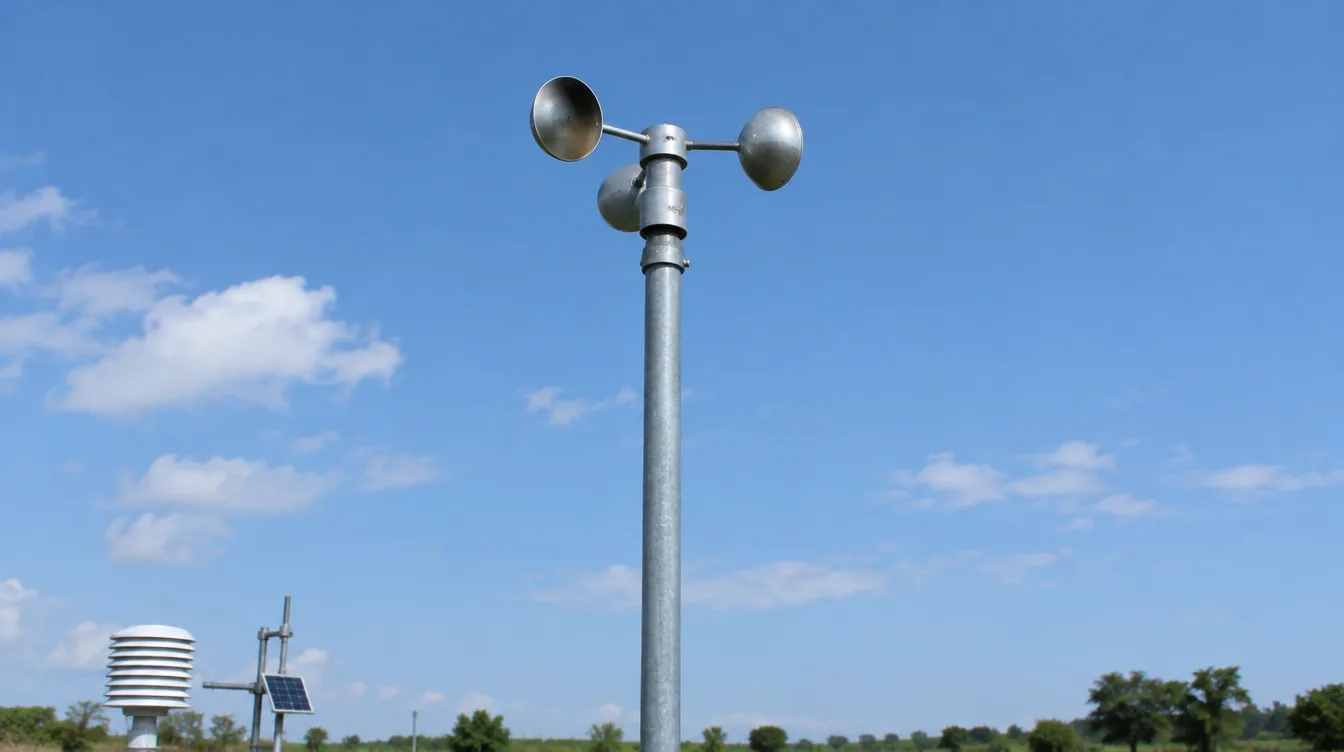
The instrument in the picture spins in the wind. What does it measure?
- AAir pressure
- BRainfall
- CTemperature
- DWind speed
- 15Multiple choice · 20 s · 10 ptsNot played yet
Rainfall is collected in a rain gauge. In which unit is it usually measured?
- AKilograms
- BMillimetres
- CDegrees Celsius
- DLitres per second
- 16Multiple choice · 20 s · 10 ptsNot played yet
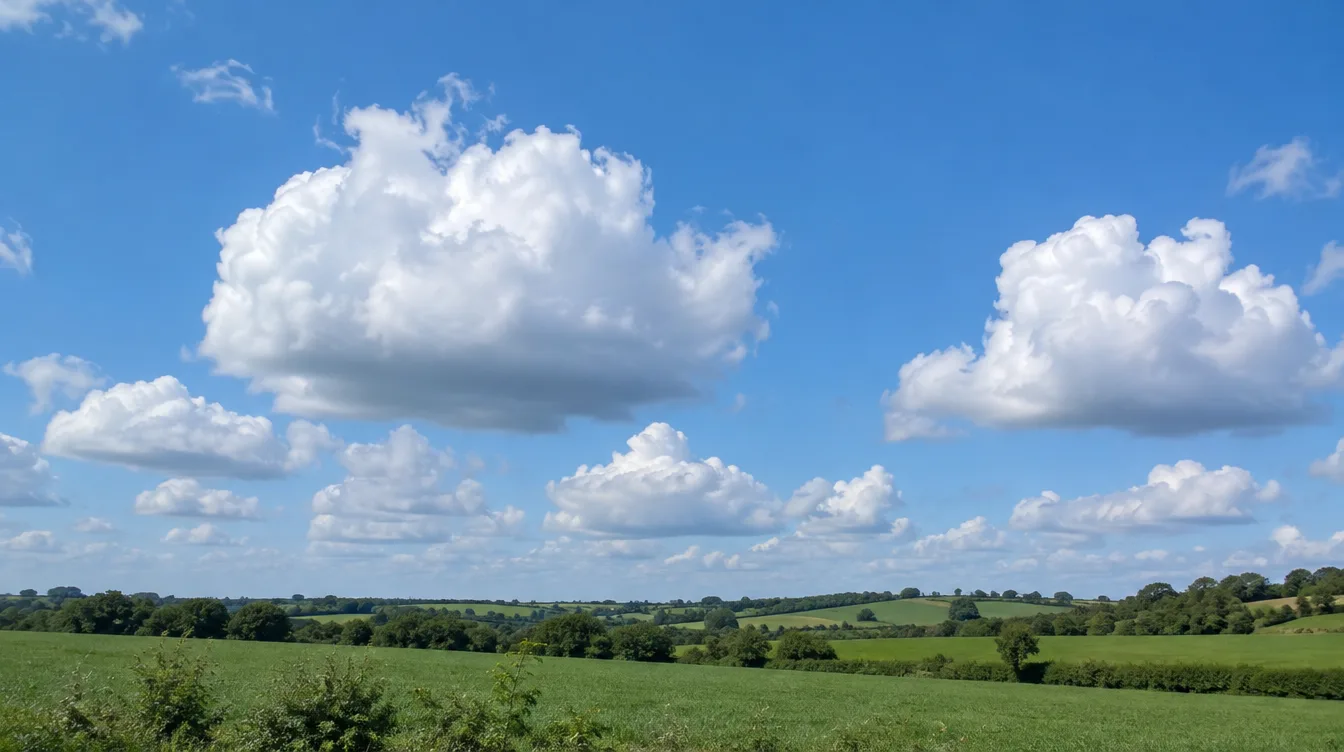
The puffy white clouds with flat bases in the picture often appear on sunny days. What type are they?
- ACirrus
- BStratus
- CCumulus
- DNimbostratus
- 17Multiple choice · 20 s · 10 ptsNot played yet
Which type of cloud forms a flat grey layer that can cover the whole sky, often bringing drizzle?
- ACumulus
- BCirrus
- CCumulonimbus
- DStratus
- 18Multiple choice · 20 s · 10 ptsNot played yet
The thin, wispy clouds high in the sky in the picture are made of ice crystals. What type of cloud are they?
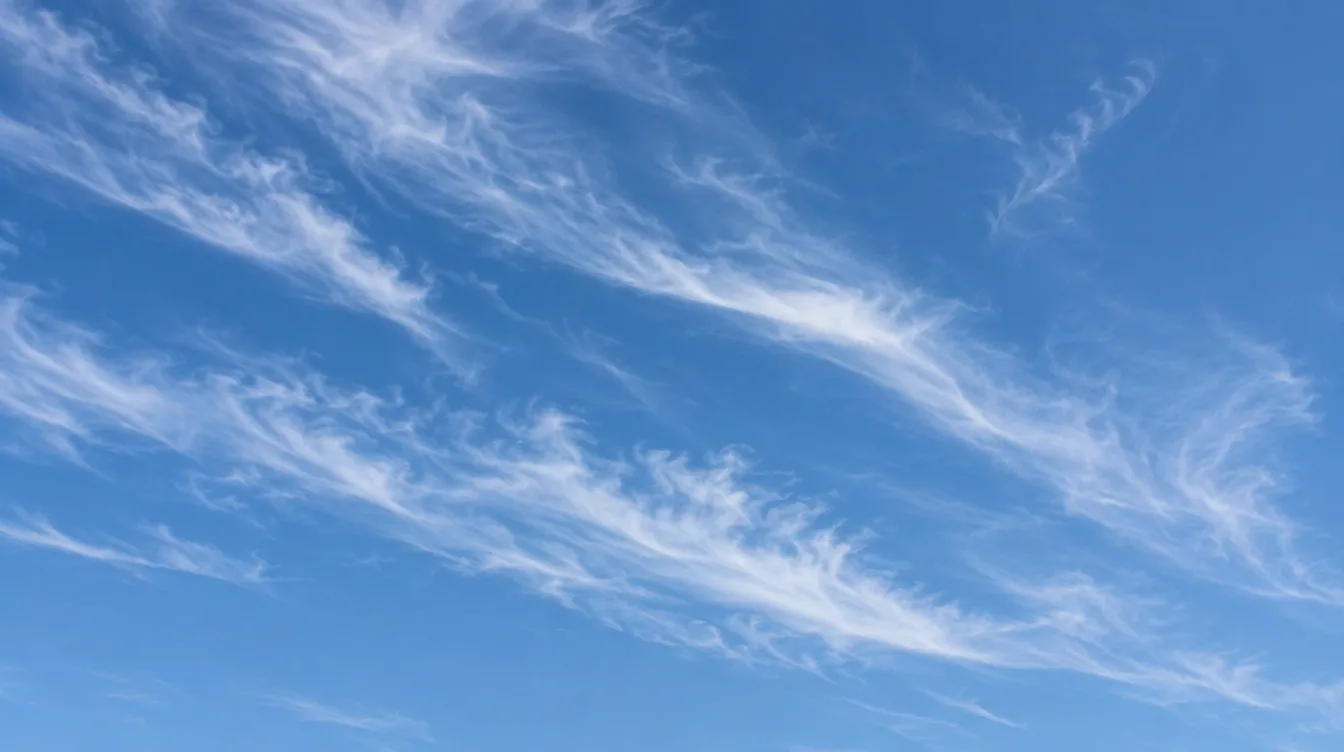
- ACirrus
- BCumulus
- CStratus
- DCumulonimbus
- 19Multiple choice · 20 s · 10 ptsNot played yet
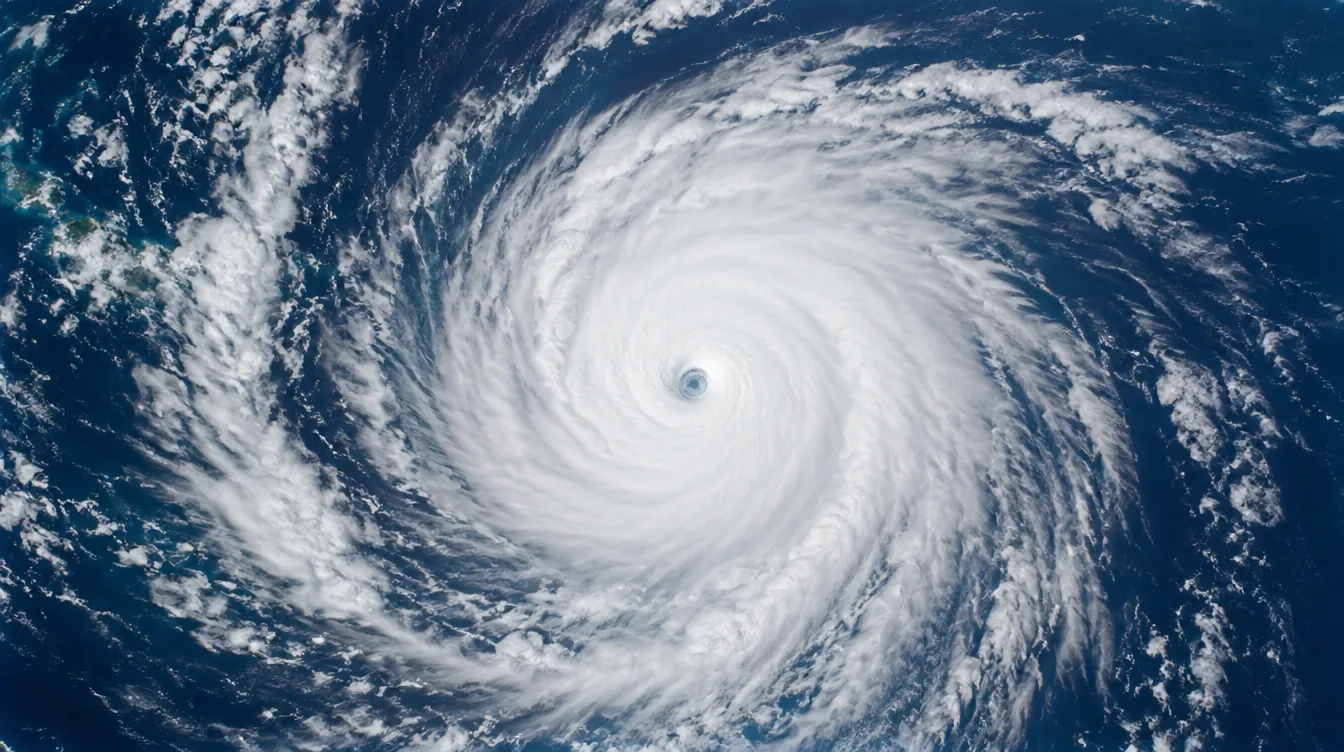
The picture shows a tropical cyclone seen from space. What is the calm, clear centre of the storm called?
- AThe core
- BThe eye
- CThe funnel
- DThe front
- 20True or false · 20 s · 10 ptsNot played yet
Hurricanes, typhoons and cyclones form over cold polar seas.
- ✓True · བདེན།
- ✕False · རྫུན།